Français
 English
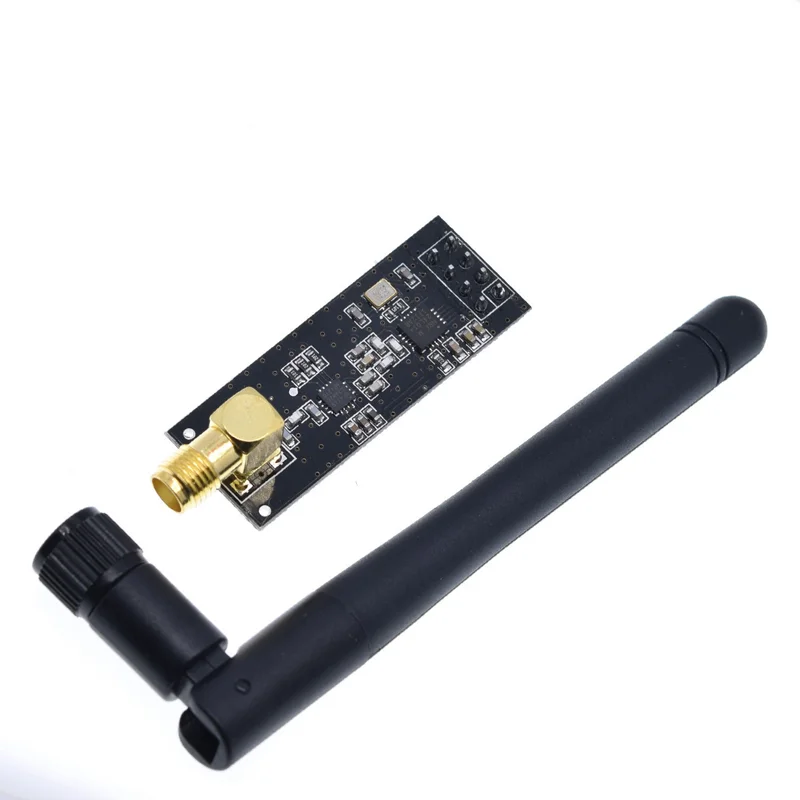
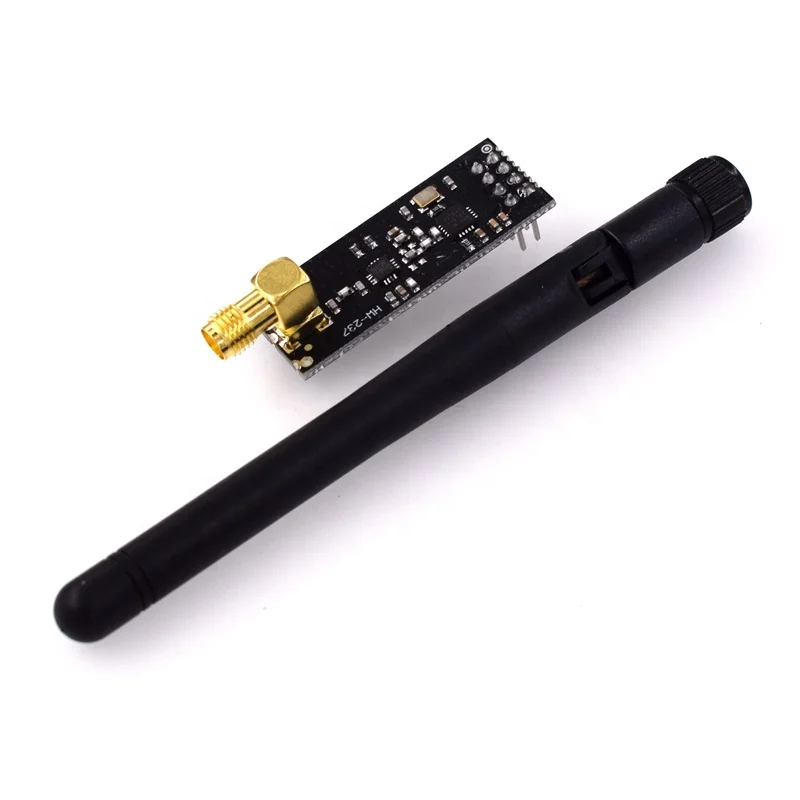
MODULE NFR24L01 WITH PA AND LNA 1KM
Transceiver module based on an NRF24L01 allowing a 2.4 GHz wireless connection. This module communicates with an Arduino or compatible microcontroller via the SPI bus.
1.350,00 DA
The nRF24L01 module is the latest in RF modules from SparkFun. This module uses the 2.4GHz transceiver from Nordic Semiconductor, the nRF24L01+. This transceiver IC operates in the 2.4GHz band and has many new features! Take all the coolness of the nRF2401A and add some extra pipelines, buffers, and an auto-retransmit feature – very nice!
This board features a reverse polarized SMA connector for maximum RF range. And there are PA and LNA circuit on board, with the external antenna it can reach long distance than the one without these parts.
This module comes with the 2.4G antenna (2DB), with 250Kbps transmission rate on open air it can reach the 800-1K meters communication distance.
Features
- Voltage: 3-3.6V (recommended 3.3V) V
- Maximum output power: +20dBm
- Emission mode current(peak): 115mA
- Receive Mode Current(peak): 45mA
- Power-down mode current: 4.2uA
- Sensitivity 2Mbps mode in received: -92dBm
- Sensitivity 1Mbps mode in received: -95dBm
- Sensitivity 250kbps mode in received: -104dBm
- PA gain: 20DbLNA gain: 10Db
- LNA Noise figure: 2.6Db
- Antenna Gain (peak): 2Dbi
- 2MB rate (Open area): 520m
- 1MB rate (Open area): 750m
- 250Kb rate (Open area): 1000m
Produits connexes
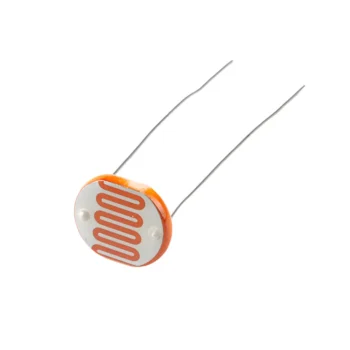
5mm 5537 LDR is a 5mm light-dependent resistor with a « 5537 » model number, which is a photosensitive component that changes its electrical resistance based on the intensity of ambient light. Its resistance is high in darkness and decreases as light increases, making it useful for light-sensitive applications like automatic lighting systems, alarms, and light-level detection.
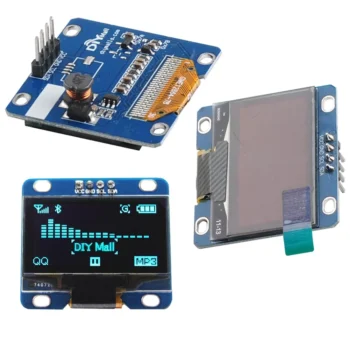
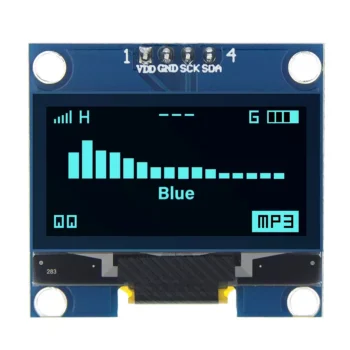
1.3-inch OLED display module with a 128×64 pixel resolution and a blue monochrome screen. It uses an I2C/IIC interface for communication, requires a 4-pin connection, and is compatible with 3.3V to 5V microcontrollers like the Arduino. Key features include high brightness, self-emission (no backlight needed), high contrast, low power consumption, and a wide viewing angle
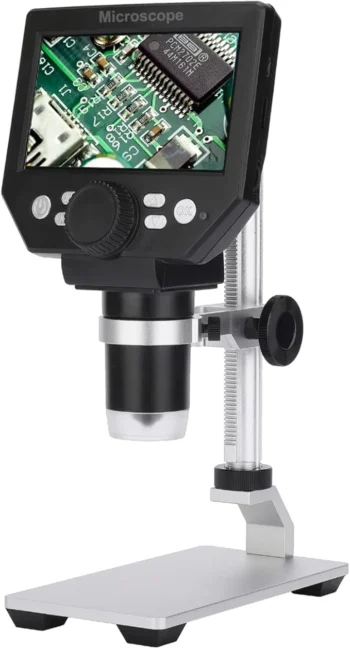
- Magnification: Up to 1000X for fine details.
- LCD Screen: Large 4.3-inch screen for clear viewing.
- Resolution: 10MP for sharp, detailed images.
- LED Light: Built-in light for better visibility.
- Versatile: Ideal for observing various samples.
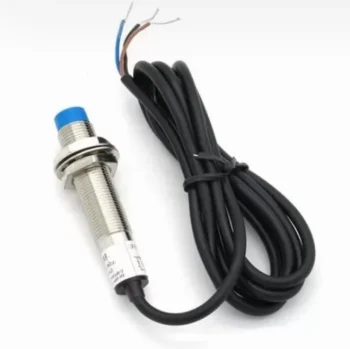
The « LJ12A3-4-Z/BX » is an inductive proximity sensor that detects metal objects within a 4mm range. It operates on a DC 6-36V power supply and has an NPN (Normally Open) digital output, meaning it completes a circuit to the signal line when it detects metal. These sensors are used in industrial automation for non-contact switching, control, and detection
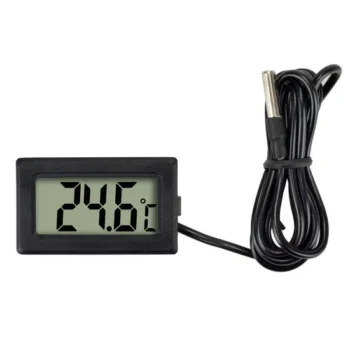
Ardess Digital Mini Thermometer with cable allows you to easily and fast know the environment temperature around you anywhere
The thermometer comes with 1m cable metal sensor probe, perfect for use in refrigerator, aquarium tank, fish tank,pet cage, kitchens,3D printer, solar system, cellar,humidors, incubator or any other places that require monitoring of temperature.
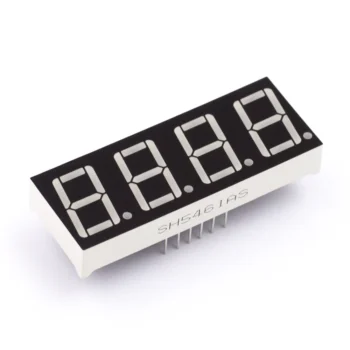
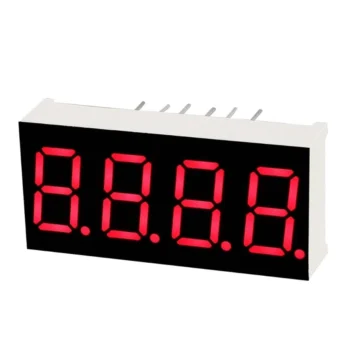
4 Digit 0.56 inch 7 Segment 4 Bit Red LED Digital Display Module Tube with Clock Point for Arduino
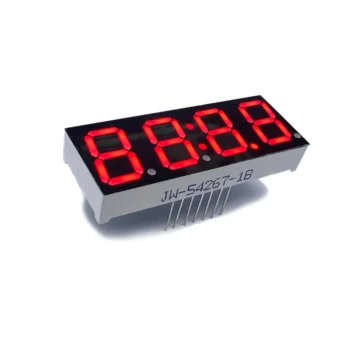
0.56 inch Red 4 Digit 7 Segment LED Display CC 12pin
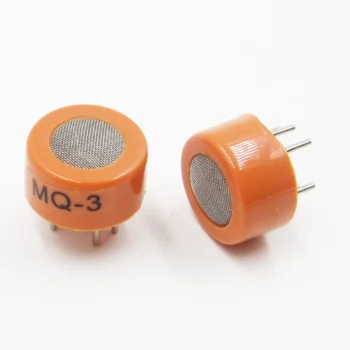
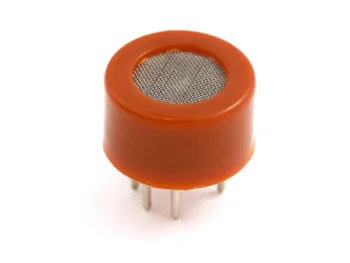
The MQ3 analog gas sensor is suitable for detecting alcohol; this sensor can be used in a breathalyzer.
It has high sensitivity to alcohol and low sensitivity to gasoline.
The sensitivity can be adjusted using a potentiometer.
12mm 12528 LDR is a type of photoresistor with a 12mm diameter and the model number GL12528, which changes its resistance based on the intensity of light it is exposed to. The resistance of the component is high in the dark and drops significantly as light increases, making it useful for detecting ambient light levels
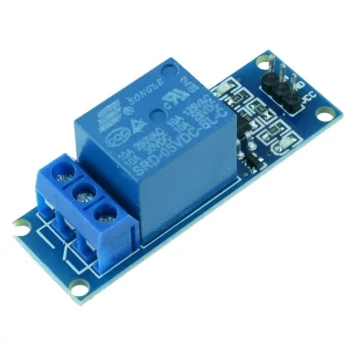
A 5v relay is an automatic switch that is commonly used in an automatic control circuit and to control a high-current using a low-current signal. The input voltage of the relay signal ranges from 0 to 5V.