Français
 English
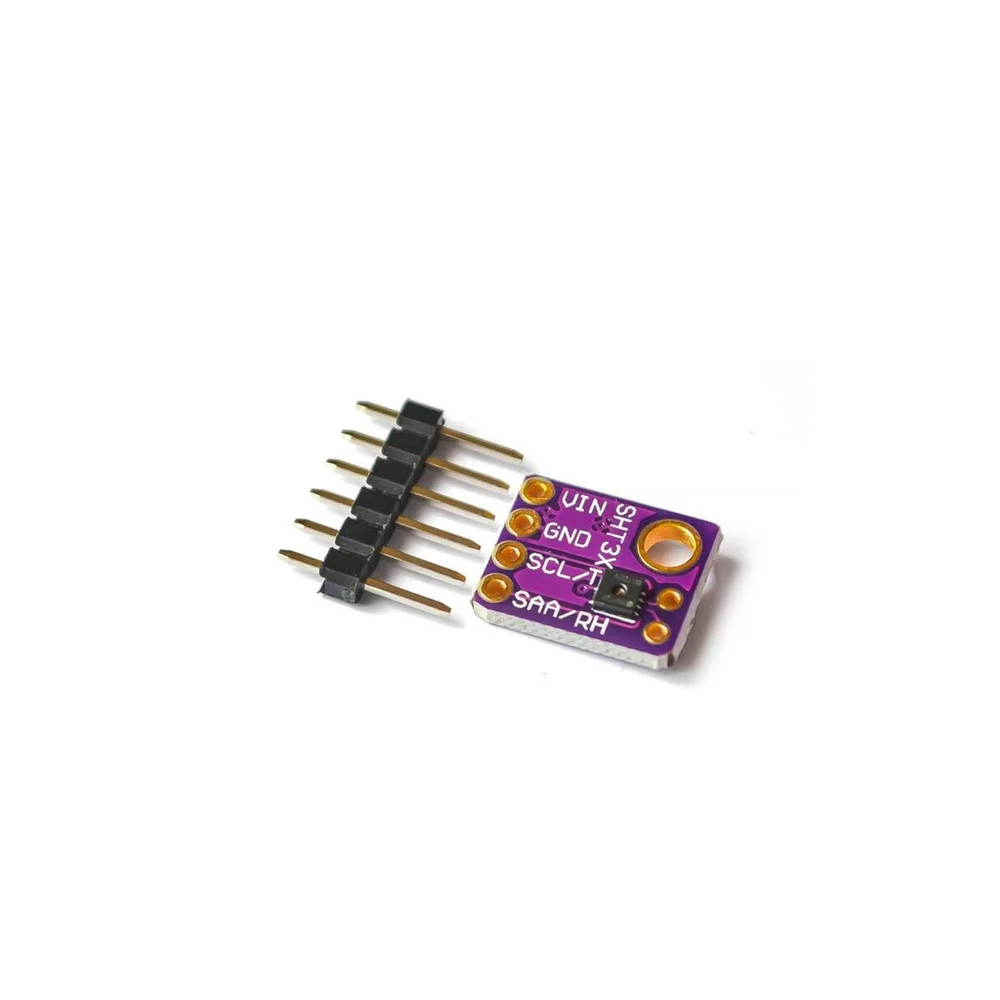
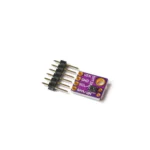
SHT3x Humidity & Temperature Sensor

The SHT3x sensor is the most accurate and precise sensor for measuring humidity and temperature parameters compared to other temperature sensors like LM35, Thermistor, DS18B20 & DHT11/DHT22. Thus SHT3x can be used for industrial applications because of the high accuracy and good sensitivity. Its Relative Humidity operating range is 0 – 100% and Temperature operating range is -40° to +125°C (-40° to +257°F).
950,00 DA
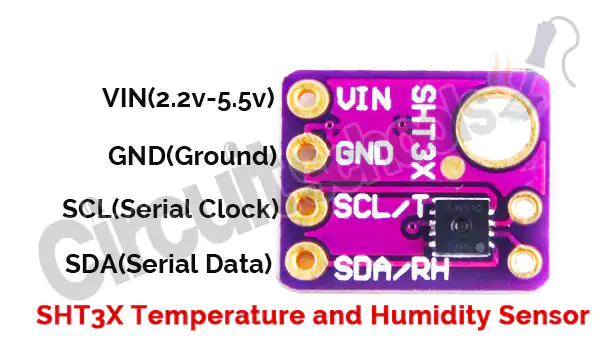
SHT3X Temperature and Humidity sensor, How it works and its pinout diagram:
There are many sensor boards out in the market which can measure temperature and humidity wisely, but when you need an accurate, precise and compact only few of them comes under the list. One of them is SHT3x series sensor as they are successors of SHT2x that set the industry level standards in humidity and temperature measurements, SHT3x comes with SHT30 and base version, SHT31 a standard version and All the way goes to SHT35 High end version which can be used in automotive level sensing.
SHT3x is packed with a completely new CMO Sens Chip, which will increase reliability along with improved accuracy in measuring. The SHT3x offers a range of new features when compared with SHT2x and other sensors, such as enhanced signal processing, two distinctive and user-selectable I2C addresses(0x44 or 0x45), an alert mode with programmable humidity and temperature limits, and communication speeds of up to 1 MHz.
Related Project: Digital Thermometer using LM35 and Arduino
SHT3x is more precise and accurate than other sensors like LM35, DHT11, DHT22, Thermistors, DS18B20 and has a greater range of measuring temperature than few of them which is -40° to +125°C (-40° to +257°F) and relative humidity ranging from 0 to 100%. It also has wide input voltage range from 2.2v to 5.5v.
It has an accuracy of ±3% to ±1.5% in measuring humidity from base version to high-end version respectively, And ±0.3 to ±0.1 in temperature measurements.
Specifications:
| Output | I²C, Voltage Out |
| Supply voltage range | 2.15 to 5.5 V |
| Energy consumption | 4.8µW (at 2.4 V, low repeatability, 1 measurement / s) |
| RH operating range | 0 – 100% RH |
| T operating range | -40 to +125°C (-40 to +257°F) |
| RH response time | 8 sec (tau63%) |
SHT3x Pinout diagram:
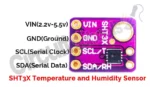
Below is the pinout diagram of SHT3X Temperature and Humidity Sensor.
 From the above pinout diagram, There you can see 4 pins two pins for Voltage input and Ground and another two pins for I2C connection SCL and SDA.
Required Components:
- Sensirion SHT31 Humidity Temperature Sensor
- Arduino UNO R3 Development Board
- JHD162A 16×2 LCD Display
- Few connecting wires
Circuit Diagram:
 Connect all the required components as shown in the above schematic diagram. Here we used LCD module with I2C adapter if you wish to connect it directly with out I2C refer the below link.
Connect Arduino with LCD Display with out I2C.
After connecting everything upload the code to Arduino, so it works accordingly.
Source Code:
Copy the below code and paste it in Arduino IDE, and select the correct board and serial port and click upload.
You need 2 libraries to run the below code you can directly install them through library manager or download them through below links manually.
| Marque | Arduino |
|---|
Produits connexes


The SG90 servo motor is a type of continuous rotation motor controlled by a digital signal. It is used in projects such as robotics, position control systems, and DIY projects.
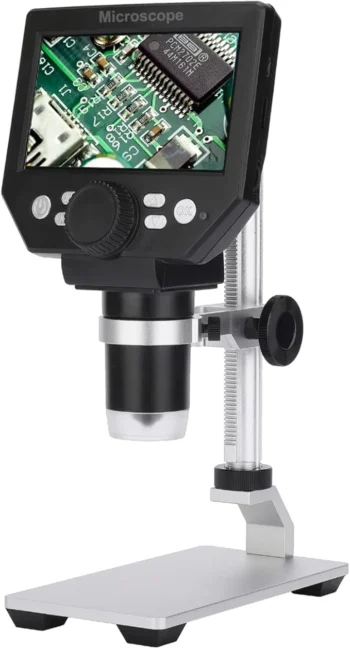
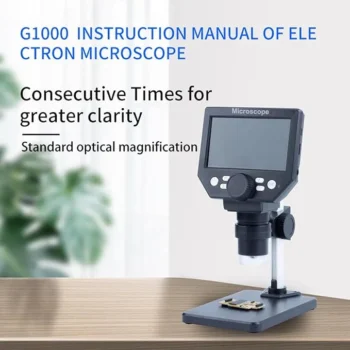
- Magnification: Up to 1000X for fine details.
- LCD Screen: Large 4.3-inch screen for clear viewing.
- Resolution: 10MP for sharp, detailed images.
- LED Light: Built-in light for better visibility.
- Versatile: Ideal for observing various samples.


Stepper motor 28BY J-48 with Driver ULN2003
the ULN2003 stepper motor driver or in English stepper motor, unipolar (4 phases/ 5 wires ) allows you to easily plug the small motor 28BY J-48 5v gràce to the 5 pin male connector and connects easily to an arduino or other through a 4 pin connector for control signals and Gnd (ground/-). The power supply of ULN2003 is between 5 and 12V.

MODULE compatible Arduino to control 4 motors DC or 2 stepper motors and have 2 connections for servomotors. This shield uses pins D3 to D12 for operation (direction, speed, etc).
The module is based on two L293D drivers and can control up to 4 DC motors with an intensity of 0.6 A per output (1.2 A at peak).
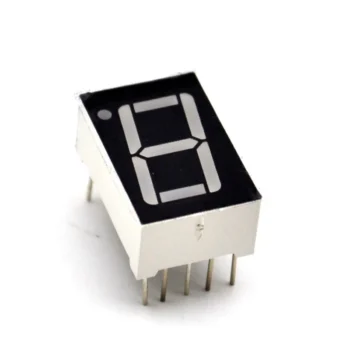
Seven-segment display (5611AH):
- The 7-segment displays consist of a series of LEDs placed to form numbers.
- A 7-segment display allows you to view the digits from 0 to 9.
- Typical voltage: 2.2v / Current per segment max: 30mA
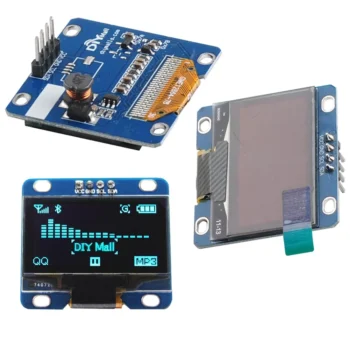
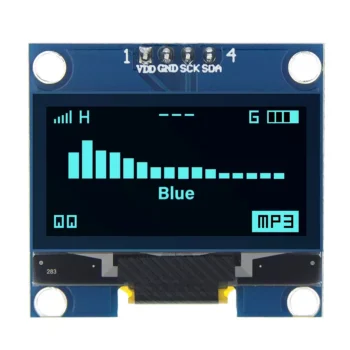
1.3-inch OLED display module with a 128×64 pixel resolution and a blue monochrome screen. It uses an I2C/IIC interface for communication, requires a 4-pin connection, and is compatible with 3.3V to 5V microcontrollers like the Arduino. Key features include high brightness, self-emission (no backlight needed), high contrast, low power consumption, and a wide viewing angle
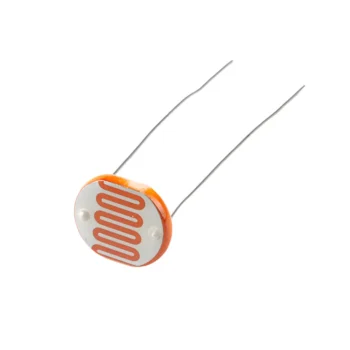
5mm 5537 LDR is a 5mm light-dependent resistor with a « 5537 » model number, which is a photosensitive component that changes its electrical resistance based on the intensity of ambient light. Its resistance is high in darkness and decreases as light increases, making it useful for light-sensitive applications like automatic lighting systems, alarms, and light-level detection.